Trustindex verifies that the original source of the review is Google.
Ok
Posted on Google
Kenneth Strickland
Trustindex verifies that the original source of the review is Google.
I bought eight cuttings of four different kratom plants and rhe arrived in excellent condition. They sent nine total plus two free samples. So far the cuttings are thriving except that one seems to be dying. Maybe that is why they sent me an extra one.
Kratom Eye exceeded my expectations and I will definitely be ordering again.
Posted on Google
Teo Bianculi
Trustindex verifies that the original source of the review is Google.
Super fast shipping with very healthy cuttings. Went out on a Monday and reached me that Thursday plus sent me two free samples. Going to order some more cuttings after I post this. I can’t review the customer service because they did everything exactly perfectly right and I have no notes, so 10 of 10 customer service.
Posted on Google
Robinson Schupp
Trustindex verifies that the original source of the review is Google.
I ordered 2 kilos green maeng da on 8/13/26. Unfortunately, the product got held up in OH, due to no fault of kratomeye or myself. Despite me being rude and unreasonable about my order (I was distraught), they were helpful, kind and logical, going out of their way to make the situation right even though it wasn't their fault. I still haven't received my product, but I wanted to take the time to leave this review, making it clear that KratomEye provided good customer service to me, was patient and polite, and is still trying their best to correct the USPS error that halted my shipment. Thanks for doing what you do, and I'm sorry I was rude to you and your staff. I would recommend anyone shop here for quality kratom products and on-point 1:1 customer service. My earlier review was left in haste and without a full picture of the situation. 5/5
Posted on Google
Benjamin Breuckman
Trustindex verifies that the original source of the review is Google.
I LOVE THEIR BULK POWDER IT IS THE BEST QUALITY AND EASIEST TRANSACTION. Fast shipping and good customer service! Red Borneo is my favorite.
Posted on Google
leonel Rodriguez
Trustindex verifies that the original source of the review is Google.
I love making my daily blends for different activities.
My favorites to mix it green vein maeng da with is cranberry juice or lemonade.
Start slow and don’t chug! It will always look green! Shake and stir while you drink to keep it fresh
Posted on Google
Christian Schopper
Trustindex verifies that the original source of the review is Google.
live cuttings delivered in perfect condition and powder is good quality and price. zero complaints
Posted on Google
Bree Cuntz
Trustindex verifies that the original source of the review is Google.
Ordered some live plants from Kratom Eye. They arrived quickly, were carefully packaged, and vigorous and healthy. I’ve ordered plants from other vendors and they never arrived in as good of condition as these. I would 100% order from them again.
Posted on Google
Chris
Trustindex verifies that the original source of the review is Google.
Kratom Eye's customer service is TOP NOTCH! I couldn't be happier about the quality of service I received, which went WAY above and beyond my greatest expectations! This is an awesome company operated by great people & I look forward to doing more business with them in the future! Thanks so much again for all your help!
Posted on Google
Alexander
Trustindex verifies that the original source of the review is Google.
The order arrived quicker than expected and everything was delivered with detailed instructions. One of the plants was damaged but we are going to try and root it as a cutting and see what happens. Update: Kratom Eye is replacing the damaged product. 10/10 will order from them again!
Posted on Google
Dylan
Trustindex verifies that the original source of the review is Google.
I’ve tried several kratom products and this is easily the highest quality. Tastes and feels pure. Doesn’t cause nausea like other products I’ve used. I ordered the sampler pack and still trying to decide which strain is best. Several extras were included with my order. Fast and efficient delivery.
Posted on Google
brandon gonzales
Trustindex verifies that the original source of the review is Google.
Beautiful plants! Arrived when it was supposed to. Planted them in aeroponics. Unfortunately they arrived a little sooner than I thought so I'm using my 3D printer enclosure until a proper grow tent gets here. But for the time being it works great. I used my portable heater and some wet sponges to heat up the tent and get it nice and humid before planting the clone and rooted plant in the buckets. My only gripe was the rooted plant came with virtually no leaves. There were two leaves in the bag that looks like they came off during transit. There are a few smaller leaves on it so it does stand a chance but ultimately time will tell. This is my first time working with a tropical plant like this so fingers crossed!
Posted on Google
Kyle Winchester
Trustindex verifies that the original source of the review is Google.
Fast and reliable. Thank you guys so much for hooking it up with so many different goodies. I highly recommend this company for anyone that is looking for what they pay for! ❤️🔥❤️🔥❤️🔥🙏🫡🇺🇸❤️🔥❤️🔥❤️🔥
Dillon Bates
Posted on Google
Shaun Scott
Trustindex verifies that the original source of the review is Google.
Great products and awesome shipping times.
Posted on Google
Jerad Lopeman-Fry
Trustindex verifies that the original source of the review is Google.
Fast shipping! Exactly as described! 5 stars!
Posted on Google
Cody Harris
Trustindex verifies that the original source of the review is Google.
Best quality and most consistant place to get Kratom! Shipping is snappy too. I keep coming back year after year.
Posted on Google
Marrisa Selleck
Trustindex verifies that the original source of the review is Google.
I made my first order a few years back and have reordered a couple times since then. I have never had any complaints about speed of shipping, quality of what I ordered, etc. everything has always been fantastic. I just got my most recent order and I was very pleased with how it was packaged and the samples you guys chose for me. I was really, happily, struck that you included samples of things that fit with the items I selected for myself. I am very excited to try everything. Thank you!
Posted on Google
Kevin Catron
Trustindex verifies that the original source of the review is Google.
Order was recieved a few day ago, which was enough time to try some of the items. But before that, on the day I made the order, it was typically a day that the did not ship, however, they recognized I was a new customer and went out of their way to ship it that day anyways. I was totally cool with them not doing that, but fact that they did shows they value their customers, the feeling is mutual.
Product quality is top tier, some items I am quite familiar with and have purchased from other places, but they also carry unique products as well. For the items i was more familiar with the herbs were easy to mix with drinks, or were extremely easy to pack into caps. They offer a wide variety of stains and combonations, and they offer a 10 sampler pack which has has helped me decide which strains i prefer the most (I have found all to be effective in specific use cases) which will help me purchase in the quantities I need.
As for my experience with herbs I was less familar with, upon research of their effects the only concern I had when ordering was quality. There was absolutely no need for concern in the slightest as the quality exceeded expectations and the expected effects were present as my independant research suggested.
Do I recommend shopping here? Yes, 100x over yes
Posted on Google
Cindy Chamblin
Trustindex verifies that the original source of the review is Google.
Kratom is wonderful. Fast and reliable service.
Posted on Google
Shannon Walters
Trustindex verifies that the original source of the review is Google.
Very fast shipping and great products. We had used a couple other companies and have found that Kratom Eye has superior products and a great price. My wife is an amputee from below the knee and they tried all kids of medicine in the hospital to control her pain and nothing helped. I brought her Kratom to the hospital and she slept sound for the first time in 4 days.
Posted on Google
sean keel
Trustindex verifies that the original source of the review is Google.
They offer the best selection of strains and fast delivery. Very honest business with fair prices and great customer service, and they have great seasonal coupons and discounts.
Posted on Google
Nikonic Imagery
Trustindex verifies that the original source of the review is Google.
Every order I have had quick delivery which is top notch. The Kratom is clean and works to keep me motivated and happy.
Posted on Google
Love CybrGirl
Trustindex verifies that the original source of the review is Google.
KratomEye is my go-to for kratom. Top quality, huge selection, great prices!
Posted on Google
Allison Jenkins
Trustindex verifies that the original source of the review is Google.
After discovering kratom some time ago and trying different brands, distributors, types, and the like, Kratom Eye has been the most reliably high quality and affordable option I've found hands down. Typically kratom purchasing can be a crap shoot if you are new to it resulting in a rather bunk, poor quality product from your local shopping center smoke shop. Anything that might be tolerable from their selection is incredibly overpriced otherwise.
Kratom Eye has a broad selection and always a sale going on making some strains a really good deal at times. Because of the high quality and ability to buy larger amounts reasonably I've avoided being ripped off at local smoke shops for a 3 oz bag of dirt. It's nice to have my own selection at home and not worry about even being low on them. Your money goes a LONG way here and you will always have great options with great sales year round.
I always recommend them whenever asked about kratom and my experience with it. Avoid random head shops. Go for quality.
Posted on Google
alexander kinney
Trustindex verifies that the original source of the review is Google.
Fast shipping with very healthy plants!
Posted on Google
Nadeen Balzano
Trustindex verifies that the original source of the review is Google.
I'm a neophyte when it comes to Kratom. I had many questions which they answered quickly and patiently. I love dealing with these people
Posted on Google
myron jacobs
Trustindex verifies that the original source of the review is Google.
Kratom eye has consistently good Kratom and great customer service. They offer a lot of other plant medicines, too.
Chamomile, cats claw, passion flower, GABA etc. If you are into plant medicine, you need to check them out. They also have live Kratom plants.
Posted on Google
Doug Wright
Trustindex verifies that the original source of the review is Google.
Easy to navigate website, fast shipping, and great customer service.
Posted on Google
Nick Sakers
Trustindex verifies that the original source of the review is Google.
Very pleased with the customer service and ordering experience. An adjustment had to be made to our order and they were courteous and thoughtful in their approach to making it right.
Posted on Google
Kevin Wrye
Trustindex verifies that the original source of the review is Google.
I ordered the stem & vein, it is good quality.
Posted on Google
Retro Eighty
Trustindex verifies that the original source of the review is Google.
A++!!
Posted on Google
Mike long
Trustindex verifies that the original source of the review is Google.
Great stuff
Posted on Google
Peggy Hege
Trustindex verifies that the original source of the review is Google.
Speedy and reliable service. Great products. Easy ordering process.
Posted on Google
Garth Parish
Trustindex verifies that the original source of the review is Google.
This stuff is a life savor. I have been in severe lower back pain for a long long time. Not only does this completely nullify the pain...but when you hurt like I have with at times crippling pain. It gives a little peice of you back. Not only do I get pain relief with 1 does in the evening...it seems to be lasting, as in the pain is regressing. Atleast for me, whatever the process is I plan on reading up. Appreciate you and your team. More people need to know. Thats again.
Posted on Google
Jacob Fifield-Tate
Trustindex verifies that the original source of the review is Google.
Some of the best! If you want some relaxation time kratom eye has got your back!
Posted on Google
Hollow Raccxxn
Trustindex verifies that the original source of the review is Google.
There is no reason for me to give this anything other than 5 stars. Everything about their products are top of the chain for kratom I've had many products that are worse but none that are better quality than this kratom!
Posted on Google
Rebecca Brookman
Trustindex verifies that the original source of the review is Google.
I have been purchasing kratom from Kratom Eye for almost 10 years. I've never had a negative experience and the quality is consistently good. The freebies and discounts are just icing. Love this business!!
Posted on Google
Coastal Cruiser
Trustindex verifies that the original source of the review is Google.
10 years Ive been shopping here. Quality product and service. Highly recommended
Posted on Google
T No
Trustindex verifies that the original source of the review is Google.
Fast service and good product. I have used them for years and still will.
Posted on Google
Rebecca Spratling
Trustindex verifies that the original source of the review is Google.
Amazing company with amazing products. I highly recommend them to all my loved ones and people interested in the products.
Posted on Google
M. Wilson
Trustindex verifies that the original source of the review is Google.
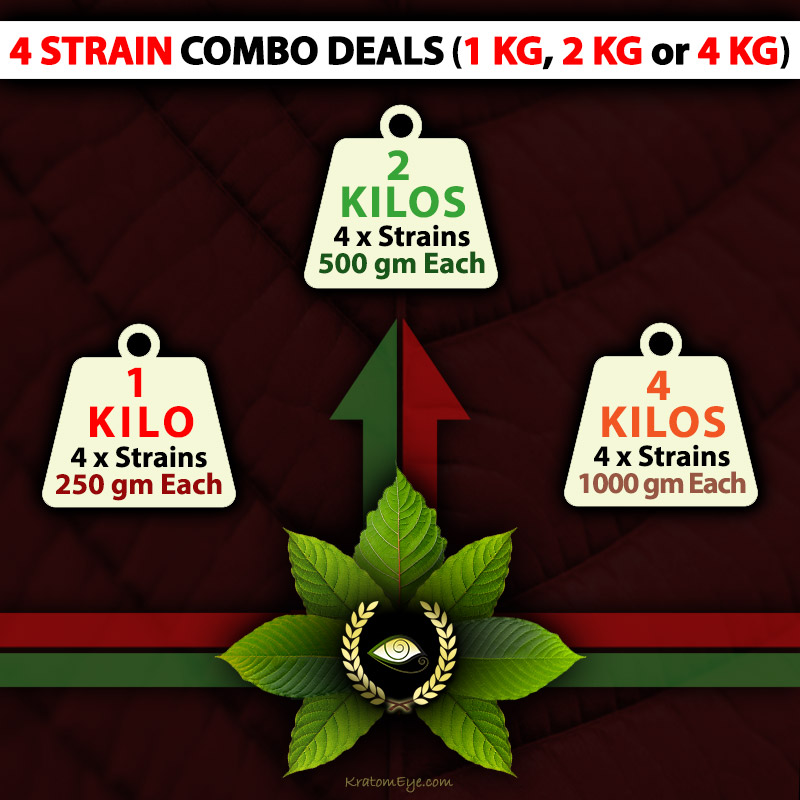
Recently purchased four strains of Mang Da and I am extremely satisfied with the quality. This was my first time using Kratom Eye and definitely won't be the last. Great service. Great product. Thanks so much!
Posted on Google
Jason Newman
Trustindex verifies that the original source of the review is Google.
Great products, fast shipping, however, I live in the same State.
Posted on Google
Anish Arora
Trustindex verifies that the original source of the review is Google.
Kratom is best.
Posted on Google
Rob Wilhelmi
Trustindex verifies that the original source of the review is Google.
Great products, fast processing and shipping, and excellent customer service. For 7 years now they have been my go-to for Kratom and have never let me down.
Posted on Google
Inge C.
Trustindex verifies that the original source of the review is Google.
Super fast shipping
Posted on Google
Clarence Hewett
Trustindex verifies that the original source of the review is Google.
My favorite by far, and i have tried a lot of them :)
Posted on Google
Jack
Trustindex verifies that the original source of the review is Google.
Awesoe
Load more
Verified by Trustindex
Trustindex verified badge is the Universal Symbol of Trust. Only the greatest companies can get the verified badge who has a review score above 4.5, based on customer reviews over the past 12 months. Read more











 Rudi Nippong
Trustindex verifies that the original source of the review is Google.
OkPosted on Google Kenneth Strickland
 Teo Bianculi
 Robinson Schupp
 Benjamin Breuckman
 leonel Rodriguez
 Christian Schopper
 Bree Cuntz
 Chris
Chris Alexander
 Dylan
Dylan brandon gonzales
 Kyle Winchester
 Shaun Scott
Trustindex verifies that the original source of the review is Google.
Great products and awesome shipping times.Posted on Google Jerad Lopeman-Fry
 Cody Harris
 Marrisa Selleck
 Kevin Catron
 Cindy Chamblin
 Shannon Walters
 sean keel
 Nikonic Imagery
 Love CybrGirl
 alexander kinney
 Nadeen Balzano
 myron jacobs
 Doug Wright
 Nick Sakers
 Kevin Wrye
 Retro Eighty
 Mike long
 Peggy Hege
 Garth Parish
 Jacob Fifield-Tate
 Hollow Raccxxn
 Rebecca Brookman
 Coastal Cruiser
 T No
T No Rebecca Spratling
 M. Wilson
 Jason Newman
 Anish Arora
 Rob Wilhelmi
 Inge C.
 Clarence Hewett
 Jack
Jack