Here’s the thing most Green Bali listings skip: Bali kratom doesn’t come from Bali. The name is a trade label, not a map pin. Once you understand that, the whole strain makes more sense, and Green Vein Bali in particular stops being a mystery and starts being one of the easier green-vein strains to shop with confidence.
Green Vein Bali is the newest addition to the Bali strain lineup at Kratom Eye. This guide covers where it comes from, what the green vein label means at the botanical level, how it sits next to the red and white Bali expressions, and how to pick a size.
Where the Bali Name Comes From
Bali is a recipe and a trade name, not a growing location. That’s the single most useful fact for anyone shopping for the Bali strain family.
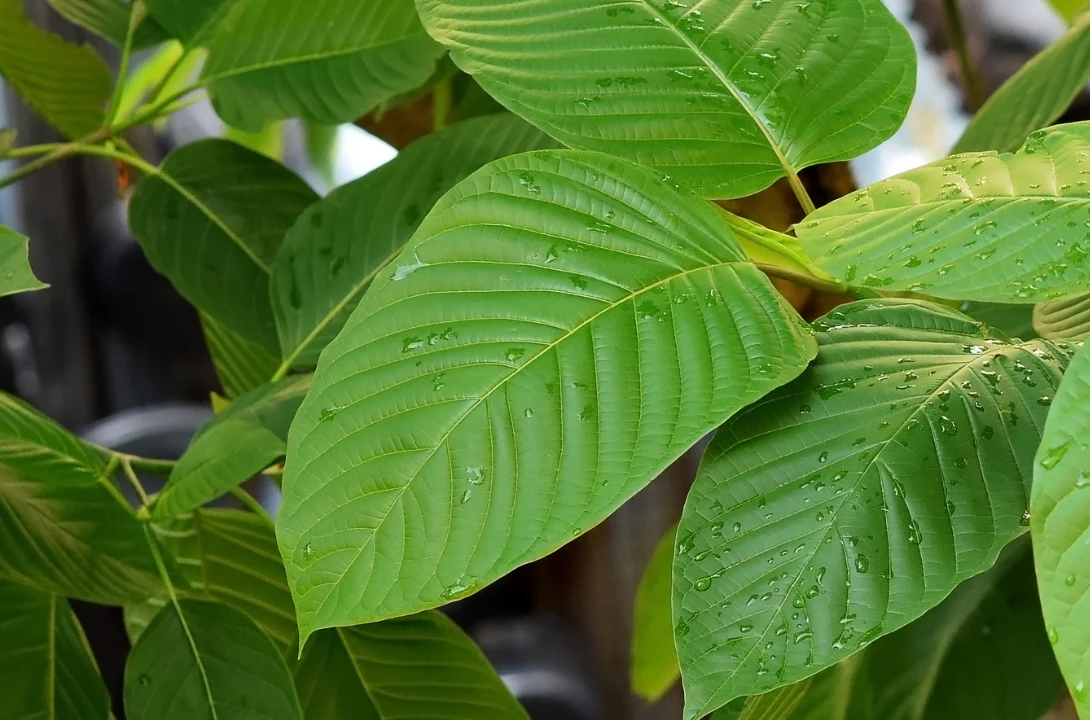
The Mitragyna speciosa tree, which all kratom comes from, grows across Southeast Asia: Indonesia, Malaysia, Thailand, and the island of Borneo. Most of what gets sold as Green Bali is cultivated in Borneo and Kalimantan, with some sourced from Thailand, then moved through Indonesian trade hubs for export. Historically, a lot of that material passed through Bali’s ports on the way out, and the port name stuck to the product. That’s the whole origin of the name.
So, when you see Bali on a kratom label, read it as a profile category rather than a coordinate. Bali strains are known across the trade for sitting in a balanced middle position rather than leaning hard in any one direction, which is part of why the name has stayed in use for so long.
What the Green Vein Label Means
The vein color on a kratom label point to two things: when the leaf was harvested and how it was dried. It does not mean the leaf was painted green or that a different species was used.
Green vein kratom is harvested at a middle stage of leaf maturity. Pick the leaf earlier and you’re closer to white vein territory. Let it mature longer on the tree, and you move toward red vein territory. Green sits in between on the harvest timeline, which is the main reason the trade describes green veins as the most balanced of the color categories.
Drying matters just as much as timing. Green vein material is typically processed using a mix of indoor and light-exposed drying. That combination preserves the green pigment in the vein and produces the alkaloid composition associated with the green-vein category. Different drying environments shift the final profile, which is why two green strains from the same region can still read differently.
Green Bali in the Mitragyna speciosa Family
Kratom belongs to the Rubiaceae family. That’s the same botanical family as coffee, which is a useful anchor point when you’re placing kratom in the wider plant world.
The active compounds in the leaf are called alkaloids. The most abundant one is Mitragyna, and Green Bali carries a rich alkaloid profile with Mitragyna well represented. That alkaloid composition is what distinguishes one strain and vein category from another at the chemical level. Lab documentation for the alkaloid content is part of the standard product testing on each listing.
None of this is a claim about what the product does in the body. Kratom is not FDA approved for human consumption, and these products are not intended to diagnose, cure, treat, or prevent any condition. The alkaloid profile is simply the botanical fingerprint of the leaf.
Green Bali Next to Red and White Bali
The three main Bali vein expressions come from the same strain family. What separates them is harvest timing and drying, which produces three distinct color profiles.
Red Vein Bali comes from the most mature leaves, dried to develop the deepest color. White Vein Bali comes from earlier-harvest leaves, dried to keep a lighter, brighter profile. Green Vein Bali sits in the middle on both counts, harvest timing and color, which is why it reads as the balanced middle option in the Bali family.
If you already shop the Bali line, Green Bali rounds out the set. Many Bali buyers eventually keep all three vein colors on hand and rotate based on preference. You can see the full Bali assortment on the Balinese strain page, and Kratom Eye also carries two exclusive Bali house blends, Bali-Wood and Salvador Bali, that draw across the vein colors.
Green Bali Next to Other Green Strains
Within the green-vein category, Green Bali is one of several options. Green Maeng Da, Green Malay, and Green Hulu Kapuas all carry the green-vein label but trace back to different source regions and strain genetics, which gives each a distinct color and aromatic signature.
What sets Green Bali apart inside the green category is the Bali sourcing lineage and the balanced reputation that comes with the Bali name. The full green-vein assortment, including how Green Bali compares to the other green strains in stock, sits on the Green Vein category page.
Sizes, Pricing, and Format
Green Vein Bali is sold as botanical powder, filled fresh to each order. Sizing starts at a 10-gram sample and scales up through bulk kilo tiers, with the full range priced from $2.50 for the sample up to $135.00 at the largest size.
The 10-gram sample is the lowest-commitment way to see the grind, color, and aroma before stepping up to a larger size. For repeat buyers, the per-gram price drops at the higher tiers, which is where the bulk options earn their place. Every order ships in resealable packaging sized to your selection.
You can order Green Vein Bali directly from Kratom Eye.
Sourcing and Quality
Green Bali is sourced from suppliers operating in the Borneo, Kalimantan, and Thailand regions associated with Bali kratom production, then exported through Indonesian trade hubs. Leaves are dried under the controlled conditions that produce the green-vein color profile, then milled and packaged for retail.
Every batch is filled to order rather than pre-bagged, so you receive product from the freshest available batch on the day you order. Each listing is clearly labeled with the strain, vein, and batch information. The catalog operates under Current Good Manufacturing Practice (cGMP) standards, and lab documentation is available on the product page.
Current Deal on Green Bali
Green Vein Bali is covered by the SPRING-20 coupon, which takes 20% off green vein and Bali products through the Spring 2026 promotional window. The code never expires within that window, and it applies directly to Green Bali at any size.
New customers can also use FIRST-15 for 15% off a first order, and returning shoppers have SECOND-10 on a second order. Multi-product orders qualify for the combo discount. The full current code list, and which ones stack together, is on the coupons page. Orders over $49 ship free.
Frequently Asked Questions
What is Green Bali kratom?
Green Bali is the green-vein expression of the Bali kratom strain family, derived from Mitragyna speciosa leaves harvested at a middle stage of maturity and dried using a mix of indoor and light-exposed methods. The Bali part of the name is a trade and export label rather than a growing location.
Is Bali kratom red or green?
Both, plus white. Bali is a strain family that comes in red vein, green vein, and white vein expressions. The difference comes down to when the leaf was harvested and how it was dried, not a different plant. Green Bali is the middle option on the maturity and color spectrum.
Is green vein kratom considered Bali?
Not automatically. Green vein describes a harvest stage and drying process that applies across many strains. Bali describes a specific sourcing lineage and trade profile. Green Vein Bali is the product that carries both labels: green-vein processing applied to Bali-sourced material.
Where does Green Bali come from?
Most Green Bali is cultivated in Borneo and Kalimantan, with some sourced from Thailand, then exported through Indonesian trade hubs. Despite the name, very little Bali kratom grows on the island of Bali. The name traces back to the ports the material historically passed through on export.
What’s the difference between Green Bali and Red Bali?
Both come from the Bali Strain family. Red Bali is made from more mature leaves dried to a deeper color. Green Bali is made from middle-maturity leaves dried to retain the green vein pigment. Same family, different harvest timing and drying, different color profile.
Is Green Bali a good strain for someone new to Bali?
Green Bali has a balanced reputation across the trade because it sits in the middle of the vein-color spectrum. New Bali shoppers often start with the 10-gram sample size to evaluate the grind, color, and aroma before committing to a larger order.
What sizes does Green Bali come in?
Green Vein Bali starts at a 10-gram sample and scales through bulk kilo tiers, priced from $2.50 up to $135.00. Free shipping applies on orders over $49.
Where to Buy Green Vein Bali
Green Vein Bali is live now, with the SPRING-20 coupon applying 20% off through the Spring 2026 window. Start with the 10-gram sample if you want to evaluate it first or go straight to a larger tier if you already shop the Bali line. The full Bali assortment, including the red and white vein expressions and the two-house blends, is on the Balinese strain page.
Kratom is not FDA approved for human consumption. These products are not intended for use in the diagnosis, cure, mitigation, treatment, or prevention of any disease or medical condition. Age verification is required at checkout.







 Rudi Nippong
Trustindex verifies that the original source of the review is Google.
OkPosted on Google Kenneth Strickland
 Teo Bianculi
 Robinson Schupp
 Benjamin Breuckman
 leonel Rodriguez
 Christian Schopper
 Bree Cuntz
 Chris
Chris Alexander
 Dylan
Dylan brandon gonzales
 Kyle Winchester
 Shaun Scott
Trustindex verifies that the original source of the review is Google.
Great products and awesome shipping times.Posted on Google Jerad Lopeman-Fry
 Cody Harris
 Marrisa Selleck
 Kevin Catron
 Cindy Chamblin
 Shannon Walters
 sean keel
 Nikonic Imagery
 Love CybrGirl
 alexander kinney
 Nadeen Balzano
 myron jacobs
 Doug Wright
 Nick Sakers
 Kevin Wrye
 Retro Eighty
 Mike long
 Peggy Hege
 Garth Parish
 Jacob Fifield-Tate
 Hollow Raccxxn
 Rebecca Brookman
 Coastal Cruiser
 T No
T No Rebecca Spratling
 M. Wilson
 Jason Newman
 Anish Arora
 Rob Wilhelmi
 Inge C.
 Clarence Hewett
 Jack
Jack