

- FREE SHIPPING on orders over $49. (details here)
- COUPONS & PROMOTIONS
What Is Red Vein Kratom?

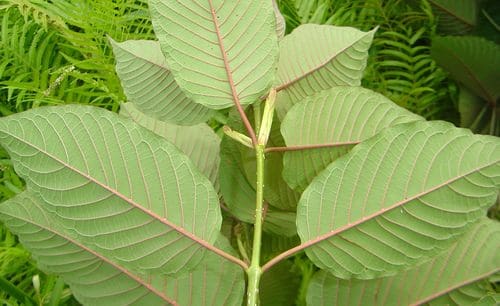
Red vein kratom is one of the most widely recognized leaf types from the Mitragyna speciosa tree. It is valued in the botanical world for its distinct leaf characteristics, deep red midrib, and long history across Southeast Asia. For buyers exploring different kratom varieties, red vein strains are often grouped separately from green and white varieties due to how the leaves mature on the tree, how they are harvested, and how they are processed before packaging.
Kratom trees grow naturally in humid tropical regions with rich soil and high rainfall. Countries such as Indonesia, Thailand, and Malaysia have ideal microclimates for these evergreen trees. The color designation of kratom does not refer to the finished powder itself but to the color of the leaf veins at the time of harvest. Red vein leaves come from more mature foliage lower on the tree, which display darker red or burgundy vein patterns. These visual markers are the simplest way cultivators sort fresh material before drying begins.

Botanists and growers believe that maturity plays a major role in the final profile of the leaf. While younger leaves tend to display white or green veins, older leaves transition into darker shades and deeper reds. Once the leaves are picked, farmers begin the drying process, which is a key step in determining the final appearance and properties of red vein kratom. Drying may occur indoors, outdoors, or with controlled airflow, depending on the style preferred by the producer. Some regions favor slower drying methods that preserve color and aroma, while others dry more quickly to support larger volume output.
There are many red vein strains available across the market. Some of the most recognizable include Red Maeng Da, Red Bali, Red Thai, Red Borneo, and several regional subtypes. Although all red vein varieties share the same base classification, each strain reflects unique environmental influences. Soil minerals, humidity levels, shade exposure, and seasonal changes all affect how the leaf matures. This explains why two red strains from different islands can carry noticeably different leaf textures, grind colors, and aromas once processed.
For newer buyers, understanding the difference between red vein kratom and other vein types can be helpful. Green vein kratom is harvested from leaves that sit between early and late maturity. White vein kratom comes from younger leaves that have not reached the same level of development. Red vein kratom stands apart due to the age of the foliage and the deeper coloration of the midrib. These distinctions support better labeling and purchasing transparency for enthusiasts who want clarity when comparing strains.
Responsible brands emphasize sourcing, testing, and proper handling. Plantation-level care matters since environmental stress can affect how trees grow and how leaves develop. Reputable suppliers typically partner with farms that utilize selective harvesting, clean drying environments, and standardized equipment for grinding and packaging. After processing, third-party laboratory tests help verify that material meets quality standards before shipping to customers. Testing supports consumer confidence and helps maintain consistent product integrity across batches.
Red vein kratom can be purchased in several forms. The most common forms include finely ground botanical powder packaged in heat-sealed bags, larger leaf material intended for personal research, and live plants or cuttings for collectors who want to grow kratom trees at home. Buyers with an interest in horticulture often select live kratom plants because they prefer to study the leaves directly or expand botanical collections.
KratomEye.com offers multiple red vein options for shoppers who want clear labeling and consistent quality. For those interested in live kratom plants, our Red Thai Cuttings and Red Kali Cuttings are popular among collectors and hobby growers. These listings include pictures and detailed product information so buyers can compare plant types before ordering. Customers looking for greenhouses or grow tents can browse additional horticulture supplies through related product pages.
Red vein buyers should also be aware of seasonal availability. Weather patterns in Southeast Asia can influence harvest cycles, drying efficiency, and export timelines. During rainy seasons, drying is slower and shipments may take longer to prepare. During dry seasons, supply moves faster but some strains may sell out earlier due to higher demand. Shoppers who want guaranteed stock usually benefit from monitoring store inventory or signing up for email alerts when restocks occur.
For online ordering, secure packaging and reliable logistics are important. KratomEye ships red vein material in protective packaging to help preserve freshness, prevent contamination, and reduce exposure to moisture during transit. Buyers who want to save on future purchases can check our Kratom Coupons & Codes page for storewide promotions. We also offer coupon stacking opportunities through our Save More With Coupon Combinations program for qualifying carts.
If you are exploring different botanical strains, comparing red vein kratom with green and white varieties can help build a more complete picture of the plant. Red vein kratom remains one of the most approachable types due to its rich lineage, maturity-driven classification, and broad strain diversity. Whether you are buying live plants for cultivation or packaged botanical material for collection or study, selecting a reputable vendor is the first step toward ensuring product transparency and reliability.
For shoppers wanting to expand beyond red vein strains, our product catalog includes green, white, and specialty hybrids. You can also explore our live plant category for collectors through the Live Kratom Plants page. This includes rooted clones, regional cuttings, and seasonal cultivars suitable for indoor or outdoor greenhouse projects. Agricultural hobbyists enjoy comparing vein types by observing leaf growth patterns and structure as trees mature over time.
Red vein kratom continues to attract interest due to its unique position within the broader family of Mitragyna speciosa. Its historical use throughout Southeast Asia, combined with modern farming and testing practices, has made it one of the most consistent and identifiable categories in today’s botanical market. Understanding where it comes from, how it is processed, and how strains differ gives buyers valuable context when ordering from reputable sources.
To see current availability, red vein listings, or greenhouse-friendly botany products, visit our kratom online store and browse by strain. For seasonal discounts, head over to our coupon portal and make sure to check for stackable promotions. Knowledgeable purchasing starts with clear information and a vendor that prioritizes quality from plant to package.